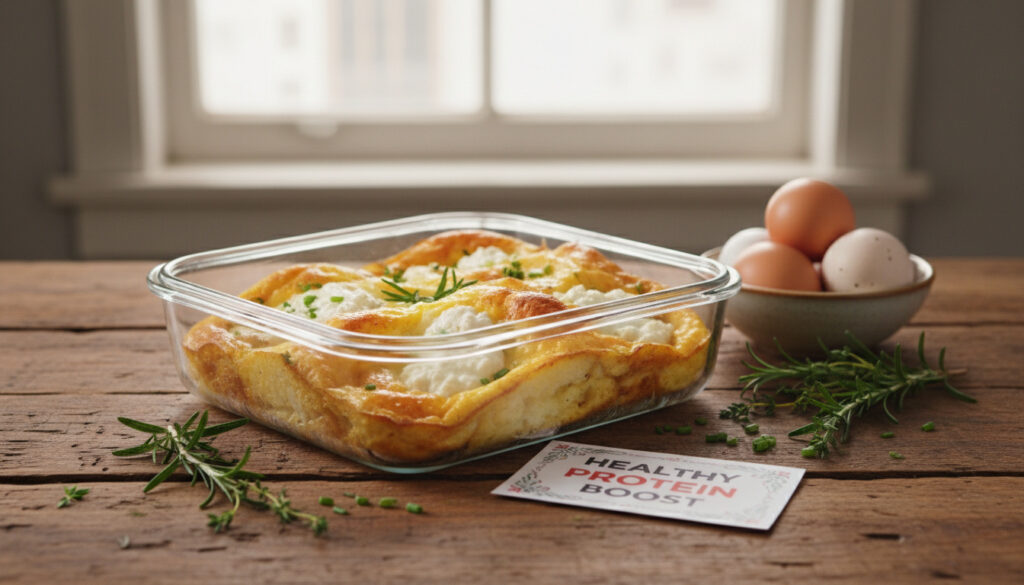
Egg Bites with Cottage Cheese – High-Protein Meal Prep Recipe
Cottage cheese transforms ordinary eggs into protein-dense, café-style bites that rival the sous vide texture of commercial breakfast offerings. The high-protein dairy blends seamlessly into the egg mixture, creating a velvety consistency without visible curds or graininess.
Home cooks have adopted this method as a cost-effective alternative to specialty coffee shop egg bites, with recipes circulating that accommodate various dietary restrictions including ketogenic and low-carbohydrate protocols. The preparation requires minimal equipment—typically just a blender and a mold—making it accessible for weekly meal preparation routines.
How to Make Egg Bites with Cottage Cheese
- High-protein base: Each bite delivers approximately 6-8 grams of protein, depending on cheese selection
- Blender-dependent texture: High-speed blending creates the smooth, custard-like consistency associated with sous vide preparations
- Cottage cheese integration: The curds dissolve completely during cooking, leaving no detectable texture Source
- Customizable macros: Easily adapted for keto, paleo, or gluten-free protocols
- Meal prep efficiency: Total active time remains under 30 minutes across all cooking methods Source
- Cost comparison: Significantly less expensive than commercial coffee shop alternatives Source
| Nutrient | Per Serving | DV% |
|---|---|---|
| Protein | 8g | 16% |
| Fat | 4g | 5% |
| Carbohydrates | 2g | 1% |
| Calories | 70-115 | 6% |
| Sodium | 180mg | 8% |
| Calcium | 60mg | 5% |
Best Cooking Methods for Cottage Cheese Egg Bites
Three primary cooking techniques produce consistent results with cottage cheese-based egg mixtures. Each method utilizes steam or circulated hot air to achieve the characteristic fluffy, moist texture that prevents the rubbery quality often associated with baked eggs.
Instant Pot Preparation
Instant Pot Egg Bites utilize pressure cooking to replicate the sous vide texture of specialty café offerings. Pour one cup of water into the insert, position the trivet, and fill a seven-slot silicone mold with the blended mixture. Cover with foil to prevent water droplets from diluting the tops. Cook on high pressure for eight to ten minutes, followed by a ten-minute natural release. This yields seven bites in approximately thirty minutes total time.
Air Fryer Technique
Air Fryer Egg Bites offer the quickest preparation, producing eight bites in roughly fifteen minutes total. After blending eggs with cottage cheese and desired cheeses such as feta or Monterey Jack, pour the mixture into greased molds. The circulating air creates a delicate crust while maintaining interior moisture.
Oven Bain-Marie Method
Conventional ovens require a water bath setup to generate necessary steam. Preheat to 350-375°F (177-190°C). Place the filled mold or muffin tin on a rack, with a separate pan of boiling water positioned on the rack below. Bake for twenty to twenty-five minutes until set, then cool for ten minutes before removal. Source
Nonstick spray application proves essential regardless of cooking method. Metal muffin tins require thorough greasing, while silicone molds benefit from light coating to ensure clean release of the delicate egg structure.
Nutrition and Storage for Egg Bites with Cottage Cheese
The nutritional profile varies based on cheese selection and mix-ins, but the cottage cheese foundation consistently contributes significant protein content. A half-cup serving of cottage cheese adds approximately 14 grams of protein to the batch, distributed across all portions. USDA FoodData Central
Macronutrient Analysis
Individual bites containing spinach and roasted red pepper provide approximately 115 calories per two-bite serving, with 10.5 grams of protein, 2 grams of carbohydrates, and 7.5 grams of fat. Generic variations average 271 calories for three bites, delivering 23 grams of protein, 3 grams of carbohydrates, and 18 grams of fat. Source
Refrigeration and Freezing Protocols
Airtight container storage extends freshness for up to five days under refrigeration. For longer preservation, freezing maintains quality for three months when bites are thawed overnight in the refrigerator before consumption. Source
Microwave reheating for thirty seconds or air frying at 350°F for three to five minutes preserves the nutritional integrity without significant degradation. Cold consumption also remains viable for grab-and-go scenarios. FDA Food Safety Guidelines
Tips and Variations for High-Protein Egg Bites
Recipe adaptability allows for extensive customization while maintaining the core high-protein structure. The base formula accommodates various flavor profiles that mirror popular commercial offerings.
Starbucks Copycat Variations
Roasted red pepper versions incorporate hot sauce and green onions alongside the peppers. Bacon and Gruyère combinations utilize crumbled pork and aged Swiss cheese. For Mediterranean profiles, spinach and feta pair effectively in air fryer preparations, while sun-dried tomato and basil variations benefit from additional Greek yogurt for enhanced protein content. Source Source
Ingredient Substitutions
While cottage cheese provides optimal texture and protein, the shredded cheese component allows flexibility. Monterey Jack offers mild melting properties, while aged cheddar contributes sharper flavor. Vegetable mix-ins such as kale, portobello mushrooms, or fresh basil should be pulsed briefly in the blender to achieve appropriate distribution without overwhelming the egg base. Source
Texture consistency depends partially on blender capability. Lower-powered appliances may leave detectable cottage cheese curds in the final product, while high-speed units create completely homogeneous mixtures. Full-fat cottage cheese varieties produce creamier results than low-fat alternatives.
Step-by-Step Preparation Timeline
- Ingredient Blending (2 minutes): Combine four large eggs, half-cup cottage cheese, half-cup shredded cheese, and seasonings in blender. Process at high speed for thirty seconds until smooth.
- Mix-in Integration (1 minute): Add spinach, peppers, or meats. Pulse briefly to chop and distribute without liquefying.
- Mold Filling (2 minutes): Spray silicone molds or muffin tins with nonstick coating. Pour mixture evenly into cavities.
- Cooking Phase (8-25 minutes): Execute selected method—eight to ten minutes for pressure cooking plus release time, twelve minutes for air frying, or twenty to twenty-five minutes for oven baking.
- Cooling Period (10 minutes): Allow bites to rest before removal to prevent structural collapse during extraction.
Established Techniques vs. Variable Factors
Consistent Results
- Blender incorporation of cottage cheese prevents curd detection
- Steam-based cooking methods (pressure, water bath) ensure fluffy texture
- Five-day refrigeration limit maintains food safety
- Base ratio of 4 eggs to ½ cup cottage cheese preserves structural integrity
Uncertain Variables
- Exact air fryer temperature specifications remain unspecified across sources
- Protein content varies significantly (6g to 11.5g) based on cheese selection
- Blender speed requirements for optimal emulsification lack standardization
- Sous vide replication accuracy depends on equipment calibration
The Rise of Cottage Cheese in High-Protein Breakfasts
The incorporation of cottage cheese into egg-based breakfast items reflects broader dietary trends emphasizing protein density and meal preparation efficiency. Unlike cream cheese alternatives, cottage cheese contributes substantial protein—approximately 14 grams per half-cup—while maintaining the creamy mouthfeel necessary for tender egg bites.
This preparation method emerged as home cooks sought to replicate the sous vide egg bites popularized by national coffee chains without specialized equipment. The blender method effectively emulates the vacuum-sealed, slow-cooked texture through mechanical aeration and steam cooking, democratizing access to previously commercial-only textures.
Recipe Development and Testing Sources
“The cottage cheese provides creaminess without detectable texture in the final product, making it ideal for those who dislike the curd-like consistency of cottage cheese eaten alone.”
— Fresh April Flours
“These protein-packed bites are cheaper than Starbucks, customizable for dietary needs like paleo/Weight Watchers, and ready in under 30 minutes for grab-and-go meals.”
— Healthful Blondie
Essential Points for Home Preparation
Egg bites utilizing cottage cheese as the dairy component offer a high-protein, low-carbohydrate breakfast solution adaptable to pressure cookers, air fryers, and conventional ovens. The critical technique involves thorough blending to eliminate curd texture, followed by steam-assisted cooking to achieve characteristic fluffiness. With proper storage protocols extending viability to five days refrigerated or three months frozen, these preparations support efficient weekly meal planning while accommodating diverse flavor preferences from Mediterranean to classic American profiles. Instant Pot Egg Bites
Common Questions About Cottage Cheese Egg Bites
Can egg bites with cottage cheese be frozen?
Yes. Storage in airtight containers maintains quality for up to three months. Thaw overnight in the refrigerator before reheating.
What flavors pair best with cottage cheese egg bites?
Roasted red peppers, spinach and feta, bacon and Gruyère, and sun-dried tomato with basil represent popular combinations. Source
Are cottage cheese egg bites gluten-free?
Yes, provided all added mix-ins such as processed meats or seasonings contain no gluten contaminants. The base ingredients contain no wheat products.
How do you prevent egg bites from sticking to molds?
Apply nonstick spray thoroughly to both silicone and metal molds before filling. Allow bites to cool for ten minutes after cooking to facilitate clean release.
Can I make these without a blender?
While possible, whisking by hand risks detectable cottage cheese curds in the final texture. A blender ensures smooth incorporation of the dairy component.
Why use cottage cheese instead of cream cheese?
Cottage cheese contributes significantly more protein—approximately 14 grams per half-cup—while providing similar creamy texture when blended. Source
More related posts
 30 Inches in cm: Exact Conversion and Height Examples
 Toronto Blue Jays Game Today: Live Scores & Schedule
 Kiernan Shipka: Biography, Age, Ethnicity & Career
 ASAP Rocky Not Guilty: Net Worth, Rihanna Relationship
 Cha Eun-Woo 2025: Latest News, Dating, Tax Controversy & More
 Star Wars Movies Order: Release vs Chronological Guide (2025)
 Is Costa Rica Safe? 2026 Travel Advisory & Safety Guide
 Josh Duhamel Movies and TV Shows – Complete Filmography Guide
